
How Lifestyle Choices Affect Skin Health (and What to Change Today)
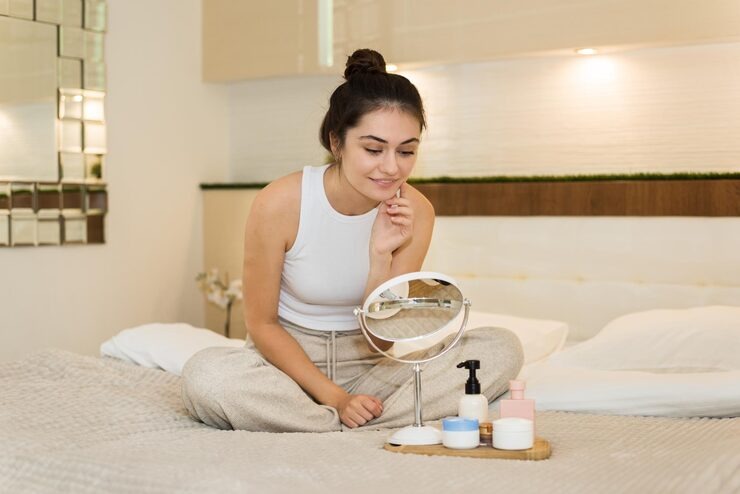
Your lifestyle choices have a direct impact on the health and appearance of your skin. Factors such as stress, sleep, and nutrition can either nourish or damage your skin, influencing everything from acne breakouts to fine lines and wrinkles.
In this guide, we’ll look at how these key lifestyle factors affect your skin and how small changes can lead to healthier, more youthful skin.
1. The Impact of Stress on Skin
Stress is one of the most significant contributors to skin problems. When you’re stressed, your body releases cortisol, a hormone that can increase oil production in your skin, leading to clogged pores and breakouts. Over time, prolonged stress can also contribute to conditions like eczema, psoriasis, and rosacea.
How to manage stress for better skin:
- Practice mindfulness: Taking a few minutes each day for deep breathing or meditation can help lower cortisol levels and calm your mind.
- Exercise regularly: Physical activity helps reduce stress and also boosts circulation, promoting healthy, glowing skin.
- Take time for yourself: Make time for hobbies, relaxation, or a warm bath to help manage stress in a healthy way.
By keeping your stress levels in check, your skin will have a better chance to heal and stay clear.
2. Sleep and Skin Health: The Connection
Sleep is often referred to as “beauty sleep” for a reason your skin repairs itself during the night. When you don’t get enough rest, your body’s ability to regenerate skin cells decreases, which can lead to a dull complexion, fine lines, and even more noticeable dark circles.
Lack of sleep also increases the production of cortisol, which can worsen skin conditions such as acne and eczema.
How to improve your sleep for healthier skin:
- Create a bedtime routine: Wind down each evening by avoiding screens, caffeine, and heavy meals. Instead, consider reading a book or taking a warm bath.
- Set a regular sleep schedule: Aim for 7-9 hours of sleep per night to give your body the time it needs to rejuvenate.
- Invest in good bedding: Choose a silk pillowcase, which can help prevent friction and reduce the appearance of wrinkles over time.
Prioritising sleep is essential for maintaining a healthy, youthful complexion.
3. Nutrition’s Role in Skin Health
What you eat plays a huge role in your skin’s appearance. A diet rich in vitamins, antioxidants, and healthy fats can improve your skin’s elasticity, hydration, and overall appearance. Conversely, a poor diet, filled with processed foods, sugar, and unhealthy fats, can contribute to acne, inflammation, and premature aging.
Foods that nourish your skin:
- Omega-3 fatty acids (found in salmon, walnuts, and flaxseeds) help keep your skin plump and hydrated.
- Antioxidant-rich foods like berries, spinach, and avocado protect your skin from oxidative stress and promote healing.
- Vitamin C (found in citrus fruits, peppers, and tomatoes) helps with collagen production and brightens the skin.
Drinking plenty of water is also crucial for skin health. Hydrated skin is more resilient, less prone to dryness and wrinkles, and glows naturally.
4. Hydration and Its Skin Benefits
In addition to a healthy diet, hydration is key to skin health. When your skin is dehydrated, it can become dry, flaky, and more prone to irritation. Proper hydration helps maintain your skin’s elasticity, making it appear firmer and more youthful.
How to keep your skin hydrated:
- Drink plenty of water throughout the day.
- Use a hydrating moisturiser to lock in moisture, especially after cleansing.
- Opt for hydrating face masks or serums containing ingredients like hyaluronic acid, which pulls moisture into the skin.
Drinking water and using the right skincare products are essential for keeping your skin’s barrier healthy and well-hydrated.
5. Incorporating Healthy Skincare Products
Alongside stress management, sleep, and a balanced diet, incorporating nourishing skincare products is vital for supporting your skin’s health. Certain ingredients can help to boost skin hydration, repair damage, and protect against environmental stressors.
For instance, using soaps infused with natural ingredients, such as beer soap, can offer your skin additional nourishment. Beer soap, rich in antioxidants and skin-loving ingredients like hops, can help to improve skin texture and prevent aging.
6. Lifestyle Changes for Long-Term Skin Health
Making small, consistent changes to your lifestyle can have a big impact on your skin’s health over time. By managing stress, getting enough sleep, eating nutrient-rich foods, and incorporating high-quality skincare products, you’ll notice significant improvements in your skin’s texture, tone, and overall appearance.
Taking care of your skin from the inside out is the key to maintaining a glowing, youthful complexion for years to come.
Ready to enhance your skin health?
If you’re looking for tailored solutions to rejuvenate your skin and address specific concerns, consult the experts at Maggs London. Their personalised treatments can help you take the next step in your skincare journey, ensuring your skin stays healthy, radiant, and youthful for years to come.
