
Hair Serum vs Hair Oil: Which Should You Use?
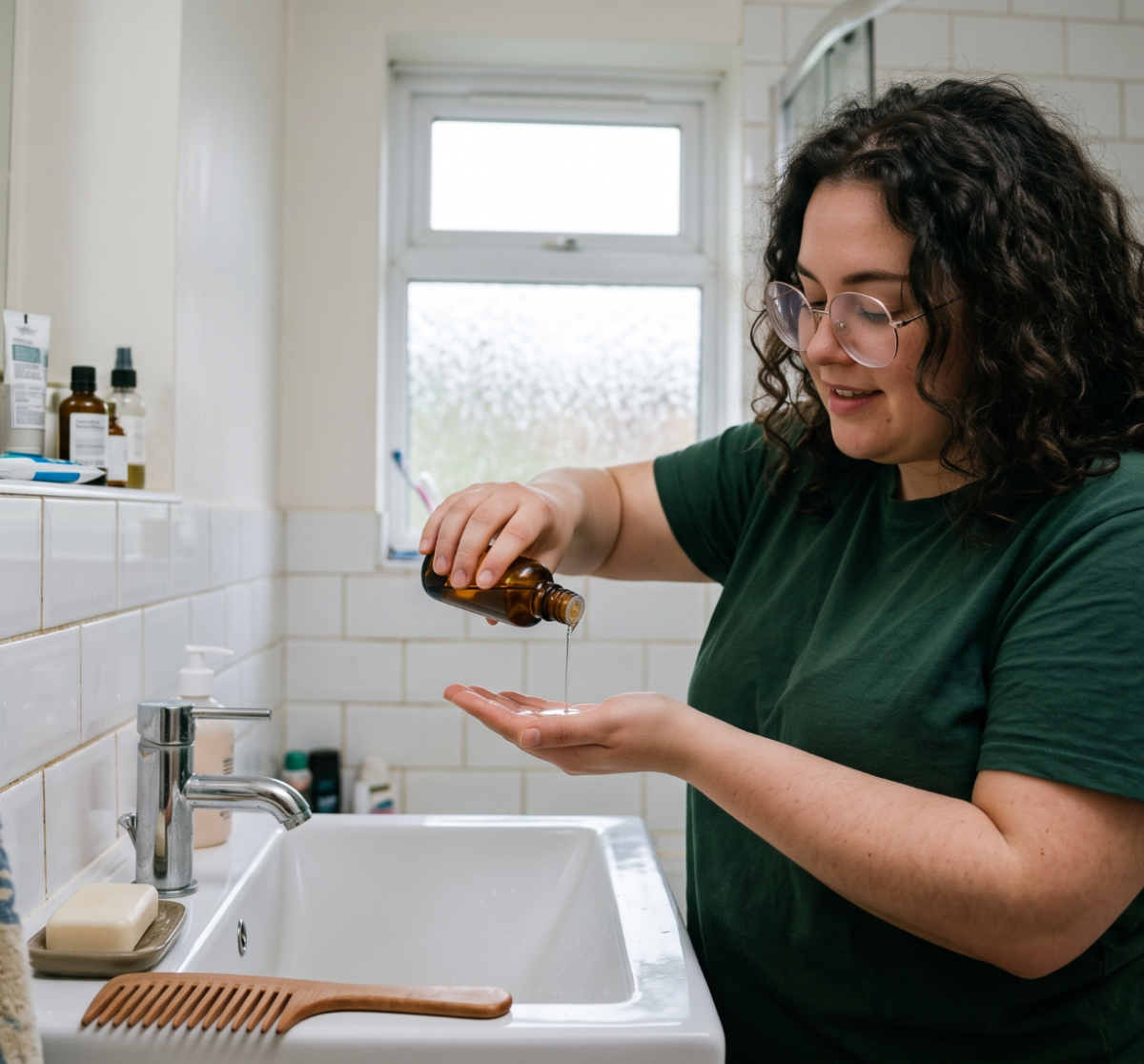
When you’re in the hair care section of a store, it is not unusual to find yourself stuck between a bottle of serum and a bottle of oil, both claiming to make your hair softer and shinier. Product labels can be confusing and rarely explain how they differ, which makes it easy to pick the wrong one for your hair type.
The issue is widespread, as a 2026 YouGov report found that 36% of people in Britain deal with frizzy or damaged hair. With many looking for solutions, figuring out hair serum vs hair oil which is better for your routine starts with understanding what each product is built to do.
Difference Between Hair Serum and Hair Oil
The table below breaks down hair serum vs hair oil at a glance, covering the basics for both.
| Features | Hair Serum | Hair Oil |
|---|---|---|
| Main Job | Smooths the surface and adds shine | Nourishes and adds moisture |
| Texture | Light, often silicone based | Richer, plant or seed based |
| Best For | Frizz, flyaways, heat protection | Dryness, damaged ends, scalp care |
| When To Apply | Before styling, on damp or dry hair | Pre wash, overnight, or on dry ends |
| How Much | A few drops, avoid the roots | A small amount, warmed between palms |
Hair Serum or Hair Oil: Which Is Best?
Hair serum helps make your hair look smoother and shinier. It creates a soft layer on the outside of your hair, which helps it reflect light better. This means your hair appears shiny and less frizzy, especially in humid weather. However, this effect doesn’t last long and washes out when you shampoo your hair, so it mostly affects the outer part of your hair.
In contrast, hair oil is richer and is commonly used to add moisture to dry or damaged lengths and ends. Many people use it to replace some of the moisture that washing and heat styling can strip away.
Who Is the Winner?
Both serum and oil have their benefits. Serum provides a quick fix for surface problems, while oil offers a deeper treatment as time passes. The best choice depends on what your hair needs at the moment.
Matching Product to Hair Concern
If you have frizzy hair or pesky flyaways, using a serum can help keep them smooth and under control. On the other hand, if your hair feels dry and looks dull, you should use hair oil instead, as it provides the extra moisture that dry hair needs. A light serum won’t do the job for really dry hair. For more on smoothing frizz at home, see our smoother, shinier hair guide.
Styling habits also play a big role in hair health. According to Mintel, a quarter (27%) of women in the UK use heat styling tools less often. Using a protective serum before straightening your hair can help shield it. Neither serums nor oils will make your hair grow faster.
This is where comparisons such as rosemary oil vs the ordinary hair serum come up, often under the wider question of serum vs oil for hair growth. Framed that way, the honest answer is that both play a supporting role, not a guaranteed one.
How Much Product Your Hair Needs
Using too much of these products can make your hair heavy and oily, not shiny and healthy. If you have fine hair, use just two or three drops of serum. Put it on the middle and ends of your hair, and avoid the roots. Doing this keeps your hair looking lovely and glossy without it feeling weighed down or greasy as the day goes on.
For thicker or curlier hair, you might need a bit more, like a coin-sized amount of oil. Rub the oil in your hands first to warm it up. You usually don’t need oil on your roots because your scalp already produces natural oils there. Different brands have different products, so it is a good idea to read the instructions to get the best results.
Final Thoughts
Serums and oils serve different requirements, so one doesn’t replace the other. Serums smooth and protect the surface, while oils go deeper to nourish. Think about your hair type, specific issues, and desired finish when deciding which to use. Always try a new product on a small patch of hair first, then adjust the amount until it feels just right. For more information, get in touch with us at Maggs London now.