
What Does Hyaluronic Acid Actually Do for Your Skin? A Beginner’s Guide
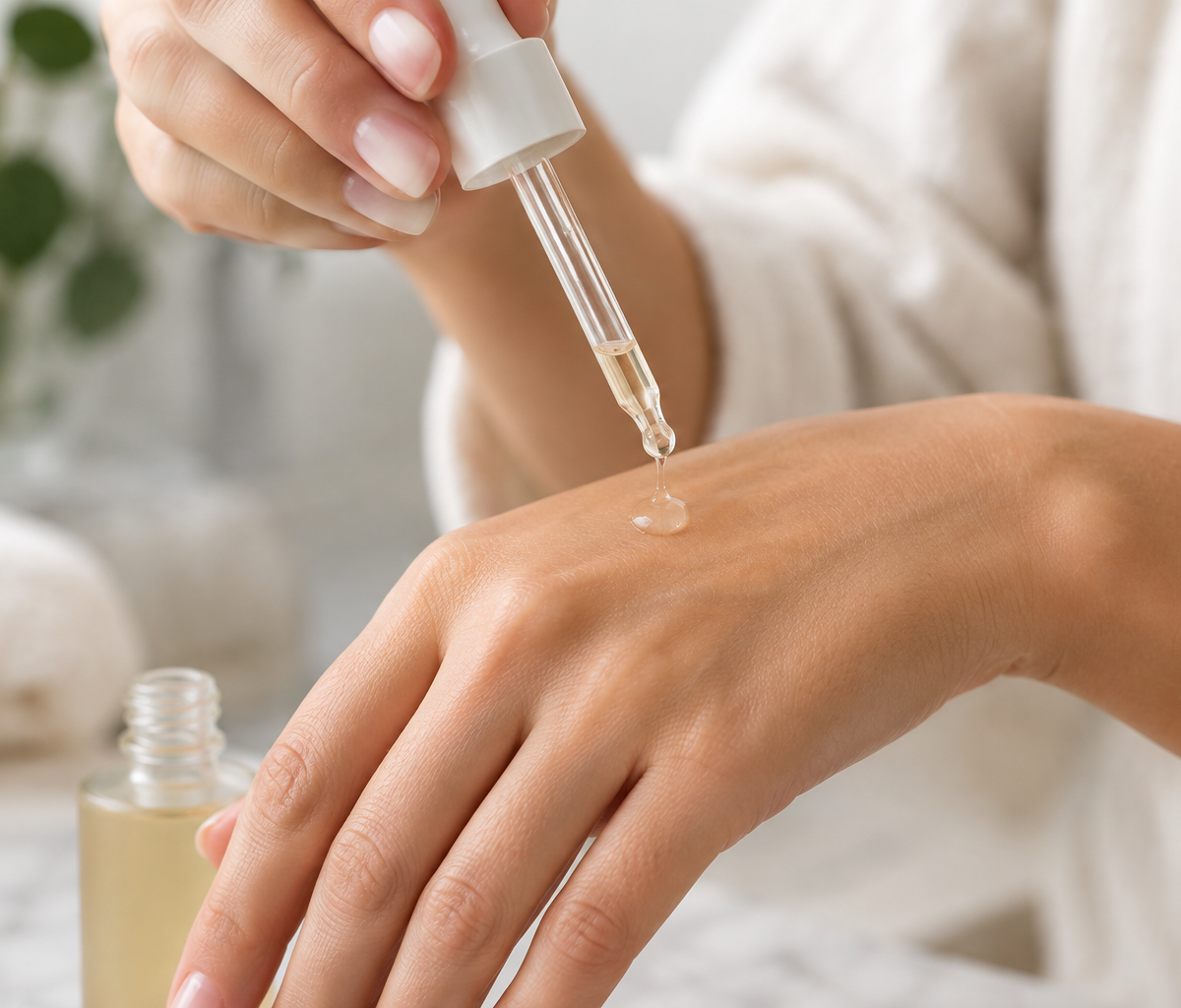
Many people in the UK experience tight, dull skin, especially after washing or exposure to cold winds and central heating. Buying a new serum seems logical, but product labels are often confusing. Hyaluronic acid is one of the most common ingredients available, appearing in everything from budget options to luxury treatments.
According to Tropic Skincare, 54% of adults in the UK are unhappy with how their skin looks. Furthermore, a 2026 Mordor Intelligence report found that the UK market for skincare products hit $4.84 billion, driven by demand for products that hydrate and repair the skin barrier. So, what does hyaluronic acid do, and is it worth adding to your skincare routine? This guide explains it clearly, without making unrealistic claims.
At Maggs London, we love helping you discover the best affordable beauty products to fit your routine through our blogs.
What Is Hyaluronic Acid?
Hyaluronic acid is a substance your body produces naturally. You can find it in your skin, joints, and eyes. It is excellent at holding water, even better than many other substances in your body. Skincare companies create a synthetic version of it for their serums and moisturisers because it holds water just as well. However, it is purely a hydrator and does not exfoliate, brighten, or treat active acne.
For a visual representation, explore this guide that demonstrates how hyaluronic acid functions as a humectant to draw moisture into the skin.
What Does Hyaluronic Acid Do for Your Skin?
Hyaluronic acid has one main job, and each part of the job is important for building a routine around it.
1. Draws and Retains Moisture in the Skin
So how does hyaluronic acid work once it is on the skin? It acts as a humectant, drawing water from the air and deeper skin layers to the surface, much like a sponge on your skin. Many people feel their skin looks and feels plumper and smoother very fast. However, this effect disappears when the product is no longer on.
2. How It Compares to Other Hydrating Ingredients
Glycerin and ceramides help keep your skin hydrated, but they work in different ways. Glycerin pulls water into your skin and feels light. Ceramides, on the other hand, lock in moisture instead of drawing it in. Hyaluronic acid is somewhere between, making your skin feel fuller and softer.
3. Suitable for Every Skin Type: From Dry to Oily
Is hyaluronic acid good for skin that already feels oily? Yes, because hydration and oil are entirely different. When skin doesn’t have enough water, it can sometimes create more oil to make up for it. That’s why a light serum can help control shine. It is also usually good for sensitive skin because it does not involve exfoliation. Dry skin often shows the most improvement, as it becomes less tight and flaky with consistent use.
4. How to Properly Apply Hyaluronic Acid
After washing your face, apply hyaluronic acid while your skin is still a little wet. Then, apply moisturiser to lock it in. If you don’t put moisturizer on top, your skin might end up drier than it was before. This is because hyaluronic acid needs something over it to hold the moisture. In the morning, finish your routine with sunscreen over your moisturiser. At night, use the serum and then moisturizer.
5. Realistic Expectations: What Results to Anticipate
How long does hyaluronic acid take to work? You will see a plumping effect right away, usually within a day. Your skin feels softer and more comfortable with regular use over 2 to 4 weeks. Additionally, using more of it does not always mean better outcomes. If the concentration is over 2%, it can sometimes draw moisture from deeper skin layers when the surrounding air is dry, rather than adding it.
Simple AM and PM Routine with Hyaluronic Acid
To get the most out of hyaluronic acid, incorporate it into a balanced daily skincare routine:
| Morning (AM) Routine | Evening (PM) Routine |
|---|---|
| Cleanse gently with water or a mild cleanser. Apply an antioxidant serum like Vitamin C to protect and brighten. Apply Hyaluronic Acid onto slightly damp skin to lock in moisture. Follow with a moisturiser and broad-spectrum SPF. | Cleanse thoroughly to remove dirt, makeup, and sunscreen. Apply Hyaluronic Acid serum to damp skin. Apply any active treatments or night creams. |
Conclusion
Hyaluronic acid will not change your skin overnight, but it excels at keeping moisture on your skin’s surface. This helps your skin look and feel calmer and more comfortable. Introduce it into your routine gradually, following with moisturizer and sunscreen. Give it a few weeks before deciding if it is working for you. For more insights, contact us at Maggs London now.
Related Products
-

e.l.f. SKIN Holy Hydration! Daily Cleanser
£5.99 -

e.l.f. SKIN Holy Hydration! Makeup Cleansing Balm
£10.94 -

e.l.f. SKIN Hydrated Skincare Mini Kit
£21.08 -
Garnier Gentle Deep Face Cleanser
Original price was: £9.99.£8.35Current price is: £8.35.

