
Skincare Ingredients Explained: What to Look for When Choosing a Serum
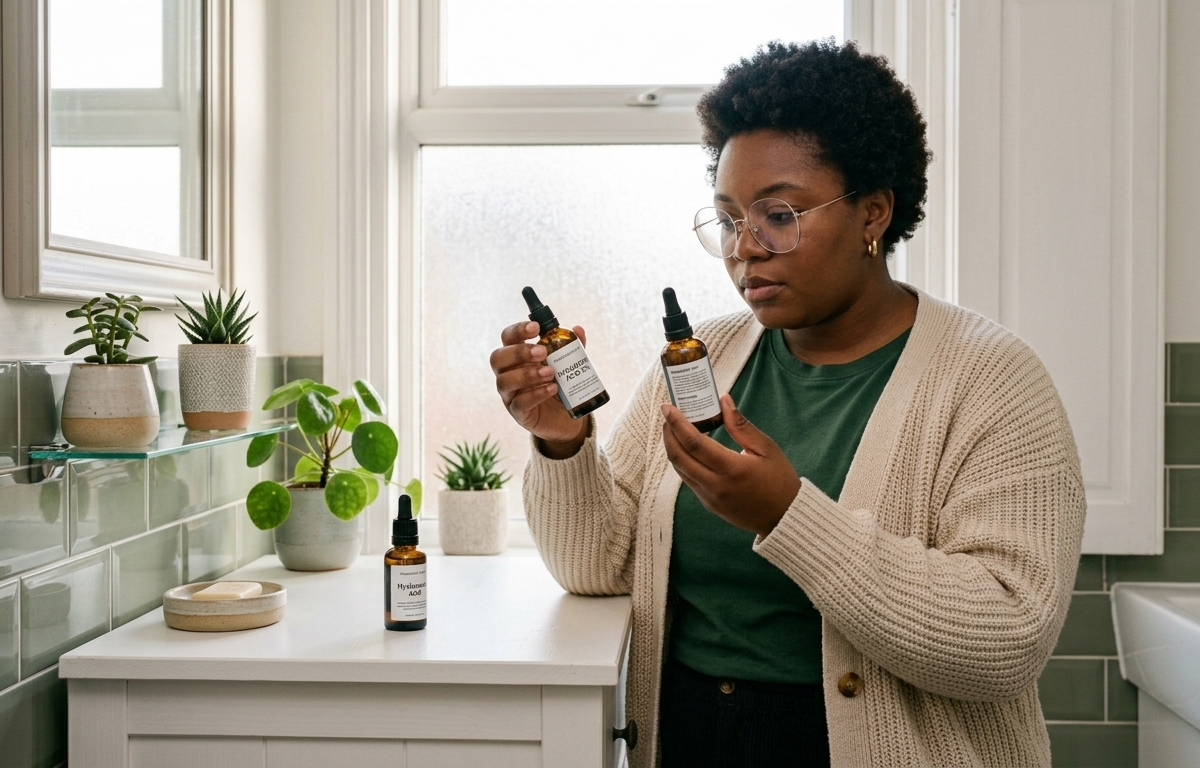
Standing in Boots, trying to figure out long ingredient names, is a familiar experience for many British shoppers when every bottle claims to give you great skin. Understanding what are active ingredients in skincare boils down to the parts that do something, not merely filling the bottle.
According to CHEM Trust, 61% of people in Britain worry about the safety of ingredients in common beauty products. Because the endless options on the shelves only add to the confusion, this guide will help you understand the main ingredients in serums and how to read their labels correctly.
At Maggs London, we love helping you discover the best affordable beauty products to fit your routine through our blogs.
Understanding Common Skincare Ingredients
What is an active ingredient in skincare? These are targeted components formulated to address specific skin concerns, from dullness to breakouts. Getting to know these key components helps you cut through the marketing noise so you can find products that actually deliver the results you want.
Key Ingredients and Their Benefits
Each ingredient addresses a different issue. Here is a breakdown of the most common active ingredients in serums and what they do:
| Ingredient | Best For |
| Hyaluronic Acid | Hydration and plumping |
| Vitamin C | Brightening and dullness |
| Niacinamide | Redness and oily skin |
| Retinol | Fine lines and texture |
| Salicylic Acid | Blemishes and congestion |
Natural vs. Lab-Made Ingredients
Natural or superfood extracts look great on packaging with berries and green tea, but are superfood skincare ingredients better than lab made antioxidants?
Here is how they compare:
| Natural Extracts | Lab-Made Antioxidants | |
| Examples | Berries, green tea | Synthetic Vitamin C |
| Stability | Varies by batch | More stable |
| Packaging Appeal | High label look | Formula consistency |
Why Checking Ingredients in a Serum is Important
Beauty stores are always talking about new ingredients. One month it’s bakuchiol, and the next it’s snail mucin. Companies add popular ingredients to get noticed, but your skin might not actually need them. Just because a label has a lot of things listed doesn’t mean the serum is better. Having too many ingredients can cause skin irritation, or the formula might not be strong enough to work properly.
What to Look for When Choosing a Serum
A few simple checks can make it easier to choose:
1. Start With Reading the Full Ingredient List
Knowing how to check skincare ingredients means looking past the front of the bottle. The ingredients are listed by concentration, so the first five ingredients will tell you what a serum actually does. This is also where to spot what ingredients to avoid in skincare products if you have eczema or rosacea, since denatured alcohol and added dyes are common triggers.
2. Know Which Ingredients to Avoid
Understanding what ingredients to avoid in skincare matters too. Strong scents, high alcohol, and certain essential oils can really irritate sensitive skin. Plus, harsh sulfates strip away natural skin oils, leaving it tight. If a serum makes your face sting or break out in redness, stop using it right away.
Key irritants to watch out for:
- Synthetic Fragrances & Dyes
- Denatured Alcohol (Alcohol Denat.)
- Essential Oils (Tea Tree, Citrus)
- Harsh Sulfates (SLS)
3. Check the Serum Concentration Levels
Does the percentage of active ingredients in skincare serum matter? Yes. A niacinamide serum with 2% active ingredient works differently than one with 10%. More isn’t always best if you have sensitive skin. A 2026 YouGov report found that effectiveness is the primary reason 47% of UK skincare shoppers make their purchases. Because results matter more than price or natural marketing claims, look for brands that clearly list their percentages to understand how to evaluate active ingredient concentrations in serums skincare brands produce.
4. Avoid Mixing Certain Active Ingredients
Trying to layer everything at once usually does not go well. Retinol and vitamin C can often react poorly with each other. When you mix strong acids, you can end up stripping your skin’s natural barrier. Get familiar with what skincare ingredients to not mix, and introduce one active at a time.
For a visual representation, explore this guide that highlights which active combinations to keep separate to protect your skin barrier.
5. Check Ingredient Safe for Pregnancy
If pregnant or breastfeeding, it is worth learning what skincare ingredients to avoid while pregnant, since retinol and high strength salicylic acid are generally best avoided during this time. Your GP or dermatologist can help figure out what works best for you. If your skin remains sensitive and doesn’t improve, get a professional opinion.
Conclusion
A good serum is not about having a long ingredient list or a trendy name. It is about finding a well-formulated product that matches your skin type and giving it time to see results. Check the label, start slowly, patch test new ingredients, and pay attention to how your skin reacts to find what works. For more insights, contact us at Maggs London now.
